09 October 2026
Pest Control Services Warren County for Apartments and Rental Homes
Presented by @riverjszz996
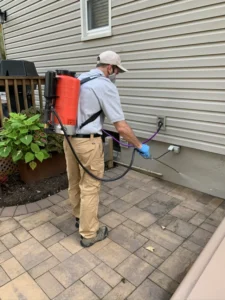
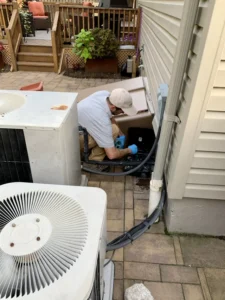
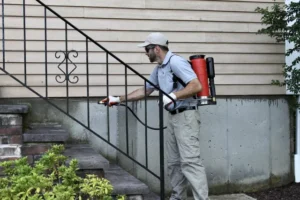
Apartment buildings and rental homes create a different kind of pest pressure than owner-occupied houses. The issue is not simply that more people live in close quarters. It is that kitchens, bathrooms, utility rooms, shared walls, and frequent move-ins create a steady stream of opportunities for pests to enter, hide, and spread. In Warren County, where property types range from older duplexes to newer multifamily communities and single-family rentals, that reality shapes how effective pest management has to work.
For landlords and property managers, the stakes are practical. A single mouse sighting can trigger complaints across a building. One untreated cockroach problem in a neighboring unit can undo a recent turnover cleaning. Bed bugs can turn a routine vacancy into an expensive disruption that affects leasing timelines, staff hours, and tenant trust. Even seasonal pests like ants, spiders, and wasps can become larger problems when maintenance delays or communication gaps leave small issues unaddressed.
That is why Pest Control Services Warren County for rental properties need a strategy, not just a spray visit. Apartments and rental homes demand systems that account for turnover schedules, resident behavior, building conditions, documentation, and follow-up. The best results come from a service plan that treats pest control as part of property operations rather than an afterthought.
Why rentals behave differently than single-owner homes
In a typical owner-occupied home, one household controls sanitation, storage, clutter, and access. In a rental setting, that control is fragmented. A property manager can set rules and respond to complaints, but daily habits vary unit by unit. One resident stores pet food in open bags. Another leaves cardboard stacked in a utility closet. Another may report a problem immediately, while the neighboring unit waits three weeks because they assume it is minor or they do not want anyone entering the apartment.
That lag matters. Roaches rarely stay contained to one kitchen in a shared-wall building. Mice do not respect lease lines. They follow plumbing penetrations, laundry hookups, dryer vents, and gaps around electrical runs. Ants may begin in one unit, then appear in three more because a moisture source under a sink or behind a dishwasher remains unresolved.
Single-family rentals have their own pattern. They often go through intense periods of vacancy, cleaning, repair work, and quick re-occupancy. During vacancies, water traps can dry out, doors may be left open during contractor visits, and garages or sheds may become staging areas for supplies. Once a new tenant moves in, those conditions change again. Pest activity can rise and fall quickly depending on weather, housekeeping, surrounding vegetation, and how well entry points were addressed during turnover.
An experienced provider understands that rental pest control is less about one-time treatment and more about timing, access, and consistency.
The pests that most often disrupt Warren County rentals
Warren County properties can deal with a broad range of pest activity, but a few categories tend to create the most complaints and the most operational headaches.
Cockroaches are near the top of the list in multifamily housing because they thrive where moisture, food residue, and hidden harborages overlap. German cockroaches, in particular, reproduce fast and move easily between units. A tenant may report seeing only a couple in the kitchen, but a thorough inspection often reveals a wider issue behind appliances, inside cabinet voids, or around water heater closets.
Mice are another common problem, especially when temperatures drop or when landscaping and storage conditions give them easy cover near the building. In older properties, small gaps around utility entries are enough. In basements and crawl spaces, they use pipe chases and framing cavities like highways.
Bed bugs are less frequent than ants or spiders, but they create the most stress. They do not care whether a property is upscale or modest. They arrive through luggage, secondhand furniture, neighboring units, and simple bad luck. When they appear in apartments, clear communication and fast action matter as much as the treatment itself.
Ants generate many resident complaints because they are visible and persistent. They show up around windows, sinks, and foundation edges, especially in warmer months or after rain. The challenge is that surface sprays can scatter colonies and make the problem seem random if the nesting source is not identified.
Wasps, hornets, and occasional invaders like stink bugs or cluster flies can also affect rental homes and apartment common areas. These are often seen as less urgent until they interfere with entrances, balconies, playgrounds, or maintenance work.
What property managers should expect from a serious pest control program
A strong rental-focused program starts with inspection and documentation, not assumptions. The provider should know whether the property is a two-story garden-style apartment complex, a row of rental homes, a mixed portfolio, or an older converted house with separate units. Those details shape treatment choices.
Inspection should include not only the complaint unit but the conditions around it. In apartments, that often means checking adjoining units, utility penetrations, trash areas, laundry rooms, and exterior conditions. In rental homes, it may mean inspecting the attic access, crawl space vents, foundation gaps, garage weatherstripping, and the yard-to-structure transition.
The service plan should also reflect how the property actually operates. A well-run provider will ask practical questions. How are maintenance requests tracked? Who gives access notices? How quickly can plumbing leaks be fixed? Are units turned over by in-house staff or outside vendors? These questions are not administrative fluff. They determine whether a treatment will hold or fail.
The strongest Pest Control Services Warren County teams usually bring three capabilities together: technical pest knowledge, property workflow awareness, and communication discipline. Missing any one of those creates avoidable problems. A technician may know exactly how to handle a roach issue, but if no one coordinates access to the neighboring units, the problem lingers. A property manager may be organized, but if exclusion work is never recommended, mice keep returning. Effective control depends on both field work and follow-through.
Apartments need coordinated treatment, not isolated reactions
One of the most common mistakes in multifamily buildings is treating only the unit that complains. That approach can temporarily reduce visible activity while leaving the underlying infestation intact. It also creates frustration for residents who feel the problem keeps returning despite repeated visits.
When a building has shared walls and stacked plumbing, a complaint in one unit may be the first visible sign of a broader pattern. Roaches often spread through kitchen and bathroom lines. Mice may travel between lower utility spaces and upper cabinets. Even ants can establish trails that cross several adjacent units.
Coordinated treatment does not always mean treating every unit in the building on the same day. It means making a judgment based on pest type, building layout, and inspection findings. Sometimes that means focusing on the complaint unit plus the units directly adjacent, above, and below. In other cases, the issue is tied to one trash room, one moisture-prone wing, or one row of units near dense exterior vegetation.
The point is simple. In apartments, pests move through systems. Service has to do the same.
Turnovers are the best time to break pest cycles
Vacant units create a window that property managers should use aggressively. Once a tenant moves in, access narrows and schedules become more complicated. During turnover, a provider can inspect thoroughly, treat with fewer limitations, and spot structural or sanitation issues before they become resident complaints.
A good turnover pest inspection often reveals things that routine cleaning misses. Behind the stove, there may be grease buildup and droppings. Under a bathroom vanity, a failed caulk line may have left moisture damage and a perfect ant pathway. In a basement utility room, there may be daylight around a pipe entry that explains repeated mouse activity. In a rental home garage, stored items left by a prior tenant may harbor spiders or even rodent nesting material.
The smartest property operators fold pest review into the turnover checklist. Not as a formality, but as a way to protect the next lease cycle. If a unit has a history of roaches, the provider may recommend monitoring after move-in. If the prior resident reported bed bugs, treatment and clearance need to be documented carefully. If a home backs to woods or open fields, exclusion and perimeter treatment may deserve more attention before the next occupancy begins.
Resident cooperation matters, but it has to be realistic
Landlords often hear that pest control success depends on tenant cooperation, and that is true to a point. Still, it is easy to overstate. Many residents will do what is asked if the instructions are clear, practical, and tied to the problem they are seeing. Vague warnings about cleanliness help no one.
A better approach is specific and respectful. If roaches are active, explain how to empty the sink cabinet, reduce countertop food residue, and report plumbing leaks. If bed bugs are suspected, explain what items need laundering and what should not be moved into common hallways. If mice are the issue, point out the importance of sealed dry goods and limiting clutter along kitchen walls where activity is being tracked.
This is where experienced providers earn their keep. They know the difference between a resident who needs guidance and a property condition that no amount of resident effort can solve. No tenant housekeeping standard can compensate for an open wall gap behind a dishwasher, a broken door sweep at the rear entrance, or standing water under a building.
Prevention usually costs less than repeated complaint service
Many rental owners hesitate on routine service because they want to avoid a monthly or quarterly cost. That is understandable, especially for smaller portfolios. But reactive-only service often ends up costing more, not just in invoices, but in staff time, resident dissatisfaction, and unit downtime.
Think about the hidden costs of recurring pest issues. Leasing staff spend time fielding calls. Maintenance teams revisit the same unit to patch conditions under pressure. Online reviews mention bugs in a way that is hard to undo. Turnovers get delayed because a new resident should not move into an unresolved problem. Those costs rarely show up on the pest control invoice, but they are real.
For many properties, the most efficient structure is a scheduled service plan with clear protocols for complaint response, follow-up, and documentation. That does not mean every rental needs the same frequency. A newer townhome development may need less interior intervention than an older apartment complex with shared laundry and chronic moisture points. The right schedule depends on age, layout, history, and surrounding conditions.
Signs a property needs more than spot treatment
Property managers sometimes normalize low-level pest activity because they see it so often. A few ant calls in spring, a mouse report in fall, a roach complaint during turnover. The danger is that repeated minor issues can signal a bigger operational problem.
A property likely needs a more structured approach when several of these conditions are present:
- Multiple units report the same pest within a short period
- The same unit needs repeat service for the same pest
- Maintenance issues such as leaks, gaps, or failed sweeps remain unresolved
- Turnovers reveal droppings, harborages, or nesting material repeatedly
- Staff cannot easily tell what was treated, when, and with what result
Those are not merely pest control problems. They are signs that service, maintenance, and communication need tighter coordination.
The role of exclusion in rental homes and apartment communities
Chemical treatment gets attention because it is visible to residents and easy to picture. Exclusion is less visible, but often more important in the long run. If pests are entering through obvious structural openings, treatment without repair becomes an expensive loop.
In rental homes, exclusion commonly involves door sweeps, garage seals, vent screens, siding gaps, crawl space access points, and openings around pipes or cable lines. In apartments, the work may include sealing utility penetrations under sinks, repairing thresholds at common entries, correcting torn screens, and addressing exterior gaps where insects or rodents can enter wall voids.
This is one area where property age matters. Older buildings usually have more settling, more retrofit wiring, and more irregular gaps. Newer buildings can still have problems, especially where construction details meet grading or landscaping. Neither old nor new guarantees pest resistance.
The best results come when pest professionals identify likely entry points and maintenance closes the loop quickly. A service note that says “seal around plumbing penetration under kitchen sink” is useful only if someone verifies the repair happened.
Bed bugs require calm, speed, and documentation
Nothing rattles a rental operation quite like a bed bug report. Residents panic, office staff scramble, and rumors spread fast. The worst response is delay. The second worst is overreacting without confirming what is actually present.
Not every bite complaint is bed bugs. Not every small insect found near a bed is a bed bug. A trained inspection matters. Once the issue is confirmed, response needs to move quickly and follow a defensible process. In apartments, adjoining units may need inspection. Preparation instructions should be clear and manageable. Follow-up should be scheduled before the first visit is even complete.
Documentation matters here more than almost anywhere else. Notes should record what was found, what treatment was performed, what preparation was provided, and when reinspection will occur. That protects the resident, the property, and the service provider. It also helps when a case turns out to involve reintroduction rather than treatment failure, which can happen more often than people realize.
What tenants notice, and what owners should pay attention to
Residents tend to judge pest control by one thing: whether they still see bugs or rodents. Owners need a wider lens. A good program is not just about visible reduction. It is about trend control, response time, root-cause correction, and consistency.
A property can appear quiet for months while underlying conditions worsen. Then weather shifts, a vacancy opens a wall area, or one heavy rain sends ants inside and suddenly the complaints spike. The quiet months were not proof the problem vanished. They were a missed chance to harden the property.
Owners and managers should pay attention to patterns. Are complaints concentrated in one building line? Do mouse calls rise after landscaping changes? Are turnover units from one section showing similar evidence? Does one vendor document conditions better than another? These observations are often more useful than any single treatment event.
Questions worth asking before hiring a provider
Choosing a pest control company for rentals is not the same as hiring for a private home. The service relationship is more operational, more documented, and more dependent on coordination.
A useful screening conversation should cover a few basics:
- How do you handle multifamily inspections when adjacent units may be involved?
- What is your process for documenting findings, treatments, and follow-up recommendations?
- How do you coordinate with property management on access and resident notices?
- What exclusion or corrective maintenance issues do you typically flag?
- How do you handle urgent cases such as bed bugs, heavy roach activity, or rodents in occupied units?
The answers should sound grounded in actual field practice, not generic sales language. You want a provider who understands the realities of missed Pest Control Services Warren County appointments, after-hours complaints, turnover pressure, and the fact that some pest issues are building problems dressed up as resident complaints.
Building a workable system in Warren County
The rental market in Warren County includes everything from compact apartment communities to scattered-site single-family homes. That mix makes flexibility important. A one-size-fits-all plan Pest Control Services Warren County rarely works across an entire portfolio. What does work is a framework that can be adapted by property type.
For an apartment community, that may mean scheduled common-area inspections, targeted unit service, and a standard response protocol for roaches, mice, and bed bug reports. For single-family rentals, it may mean a stronger emphasis on turnover inspections, exterior exclusion, garage and crawl space review, and seasonal perimeter service.
What matters most is that pest control becomes part of the property’s rhythm. Leasing teams know how complaints are logged. Maintenance knows which repairs prevent repeat issues. Residents know how to report concerns and what to expect next. The provider knows the buildings, the history, and the communication chain.
When that system is in place, pest control stops being a recurring emergency. It becomes what it should be for rental housing: a managed operational function that protects the asset, supports resident satisfaction, and reduces expensive surprises. For owners and managers seeking dependable Pest Control Services Warren County, that shift in mindset often makes the biggest difference of all.
Affordable Pest Solutions LLC
Budd Lake, NJ 07828 (service-area business)
Serving Warren, Morris and Sussex Counties, New Jersey
Phone: +1 973-229-9547
FAQ About Pest Control Services Warren County
How much does pest control cost in NJ?
The cost depends on the pest, the size of the property, the extent of activity and whether follow-up visits are needed. Ask for an inspection and a written estimate that explains the treatment scope and any ongoing service charges. Affordable Pest Solutions offers free estimates for properties in its service area.
What are the most common household bugs in New Jersey?
Ants, cockroaches, stink bugs and spiders are among the pests that residents may encounter in New Jersey homes. Activity varies by season, moisture conditions and available entry points. Correct identification helps determine whether exclusion, sanitation, monitoring or professional treatment is appropriate.
What kind of bugs infest homes?
Ants, cockroaches and termites can establish persistent activity in or around homes. The signs and appropriate response differ by pest: trails, droppings, shed wings or damaged wood may warrant closer inspection. A pest professional can identify the cause and recommend a plan suited to the property.